Choosing the perfect color for a room can feel quite daunting. Light, mood, and style all play a part. Imagine stepping into a living room that feels too cold or a bedroom that seems too intense. Thus, finding the right color balance can transform your home’s interior into something comforting and inspiring.
Understanding how light affects paint, why sample testing is important, and how to match hues to furniture are essential for making the best selection. Read this blog until the end to learn how to choose the right colors for your rooms.
Consider Natural and Artificial Light
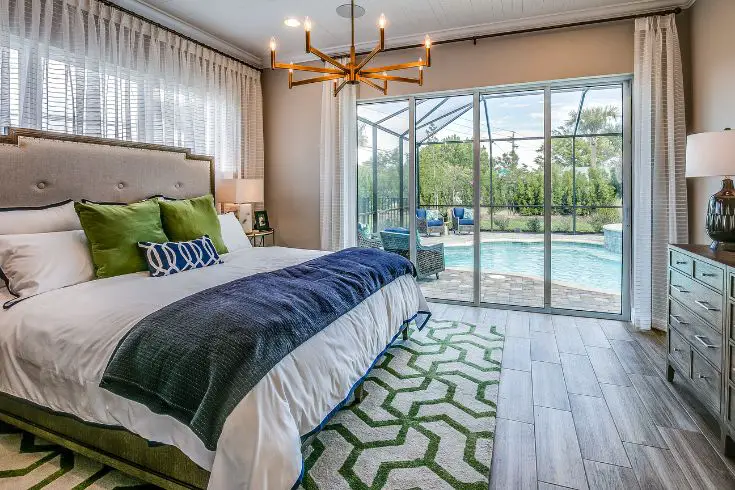
Natural light changes throughout the day. The morning sun provides a beautiful glow, while the afternoon light feels warm. South-facing rooms tend to receive the brightest rays, whereas north-facing spaces stay cooler and dimmer. Artificial lighting also affects colors, with incandescent bulbs casting a yellow hue and LEDs appearing more blue.
Before choosing a paint color, observe the room at different times and notice how colors shift from dawn to dusk. A shade that seems calming at noon might look dull by evening. Testing paint samples in various lighting conditions can help prevent regrets later.
Match Mood and Function
Every room has a purpose. A study needs focus, and a bedroom should be a calm environment. Bright, energetic colors suit playrooms, while soft greens and blues work well in spaces meant for rest. Think about how it feels to spend time there.
Would a bold red energize morning routines in the kitchen or feel too intense for a late-night snack? Choose gentle, muted tones when relaxation is the goal.
Remember, color can affect appetite, productivity, and even sleep. Therefore, you must select a shade that supports the room’s primary activity and complements the overall home improvement.
Test with Paint Swatches
Buying full cans without testing is a risky move. Cut small poster boards and paint multiple stripes of candidate shades. Tape them to different walls and observe how they look in bright and dim light. Check samples in the morning, afternoon, and under lamps at night.
Notice whether a pale yellow appears cheerful or washed out. Swatches prevent surprises and make it easier to compare undertones, such as a gray hue with blue or green hints. This simple step builds confidence before committing to gallons of paint.
Pick the Right Finish

Sheen is as important as color. Matte finishes conceal wall imperfections but can be more challenging to clean. Satin or eggshell finishes offer a subtle sheen and are easier to wipe down, making them suitable for hallways and children’s rooms.
Semi-gloss shines brighter and resists moisture, making it an excellent choice for bathrooms or kitchens. Before making a decision, imagine yourself scrubbing marks off the walls. While it might be tempting to skip hiring professionals, using trained painting and handyman services can simplify the process and save time.
Remember, professionals know which finish suits each space and can ensure a flawless application, allowing you to be confident in your choices.
Balance with Furniture and Decor
Color choice doesn’t happen in isolation. Existing furniture, rugs, and artwork will interact with new walls, helping you remodel the entire space. A deep navy sofa might clash with a warm orange wall, but it could pop against a cool grey backdrop.
Lay fabric scraps or printed images near swatches to see how they pair. Consider wood tones as well: for instance, cherrywood trim often pairs nicely with earth tones, while ash and pine lean more modern with light blues. Aligning paint with decor will make the room feel cohesive rather than disjointed.
Learn About Color Psychology
Colors carry emotional weight. Warm colors, such as reds and oranges, evoke a cozy and lively atmosphere. Cool colors such as blues and greens bring calm and focus. Neutral shades can serve as a soothing backdrop or accentuate art and design elements.
Consider how specific colors trigger memories or moods. A pale pink might feel soothing in a nursery but too saccharine in a minimalist study. Use color charts or online mood boards to explore how each hue makes you feel before settling on a final shade.
Set a Budget and Stick to It

High-quality paint often costs more but covers better and resists fading. A top-grade primer and paint combo may seem pricey, but it can reduce the need for touch-ups over time. Calculate the number of gallons a room needs by measuring its wall area.
Factor in trim, ceilings, and doors if they will be painted. Shop around for sales or bulk discounts to save money. Maintain a focus on long-term results rather than short-term gains. A fresh, vibrant room lasts longer when painted well the first time.
Final Thoughts
Choosing the right colors takes some research and testing, but the payoff is a home that feels tailored to personal tastes and daily routines. With these steps, any room can become a welcoming environment that reflects style and purpose, all while avoiding costly mistakes.