From aligning aesthetics to maximizing limited space, designing a shared apartment requires creativity and cooperation. Whether moving into your first apartment with roommates or simply trying to improve your current setup, these design tips will help create a space that works well for everyone.
Start With the Right Roommates
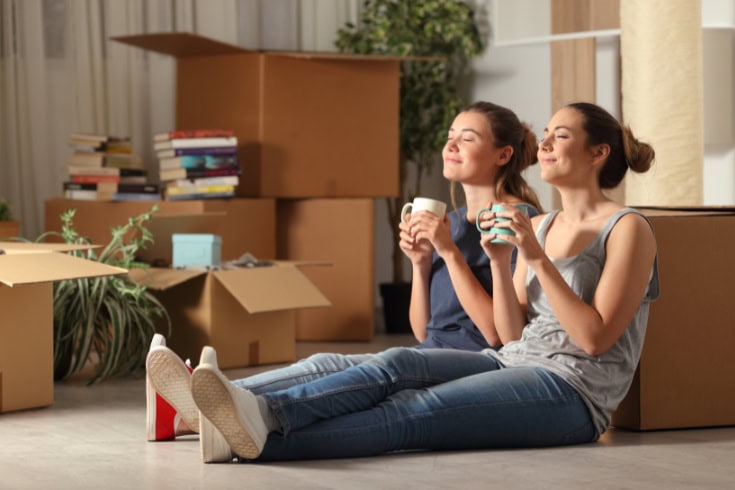
Before you start choosing paint colors and furniture arrangements, you need to find people you’re compatible with. Design is deeply personal, and disagreements about living space often come from mismatched personalities or habits.
Ask yourself the following:
● Do they have similar cleanliness standards?
● Do they prefer a quiet environment or a more social one?
● Are they early risers or night owls?
Compatibility in lifestyle will make the design process far smoother. A great way to find potential roommates who align with your living style is through platforms like www.spareroom.com. These services help you find a room, matching people by budget, location, and lifestyle preferences, which is key when you’re designing a space together.
Once you’ve found the right people, move on to designing a home that reflects everyone’s tastes.
The Best Design Tips for a Shared Apartment
Define Shared and Personal Spaces

In a shared apartment, boundaries are everything. Clutter can accumulate and tensions can rise without a clear distinction between shared and private spaces. Start by outlining which areas are for everyone – typically the living room, kitchen, and bathroom – and which are off-limits, like bedrooms or workspaces.
This step isn’t just about rules; it also helps guide your design choices. In shared areas, you’ll want décor that feels neutral and inviting. Personal rooms can showcase individual styles, allowing roommates to decorate without clashing with shared aesthetics.
Choose a Cohesive Color Palette
Color can bring harmony to a room, even when the furniture is mismatched or the décor is eclectic. When decorating common areas, agree on a shared color palette. Neutrals such as whites, beiges, and greys make a great foundation, and you can bring in colors that reflect each roommate’s taste through cushions, wall art, or plants.
Keep bolder shades and expressive styles reserved for private rooms, where everyone can freely express their personality without affecting the overall apartment aesthetic.
Make the Most of Vertical Space
Storage can become a battlefield when you live with roommates. Instead of cramming everything into already limited closets or corners, think vertically.
Use:
● Floating shelves for books, plants, or artwork.
● Over-the-door organizers for shoes, toiletries, or pantry items.
● Stackable storage units in closets or pantries.
These solutions free up floor space and reduce clutter, making your apartment more open and organized.
Designate a Drop Zone
Life gets chaotic. Coats, keys, shoes, and bags are often scattered throughout the apartment. Creating a “drop zone” near the entrance can solve this common issue. Install a few wall hooks, a small bench, and a tray for keys and mail. It doesn’t need to be fancy – just functional and tidy.
This one area can make your apartment feel more put together and help everyone stay organized without much effort.
Use Multipurpose Furniture
In a shared apartment, every square foot counts. Invest in furniture that does double duty. A storage ottoman can hold blankets or board games. A dining table with fold-down sides can expand for dinner parties and tuck away for extra space during the week. A sofa bed can turn the living room into a guest space.
Smart furniture choices reduce the need for excess pieces and keep the apartment open and uncluttered.
Respect Each Other’s Styles
Not everyone shares the same taste in décor, and that’s okay. The goal in shared spaces is to find a middle ground that everyone is comfortable with. One approach is to mix design styles thoughtfully. For instance, a minimalist roommate and boho enthusiast can agree on neutral furniture while adding colorful cushions and throws for personality.
Think of it as a design collaboration. If one roommate has great artwork and another has a knack for arranging furniture, let those strengths shine. When everyone contributes, the apartment feels more like a shared home rather than someone else’s space you’re just living in.
Rotate Decorative Items
It’s easy to get tired of looking at the same throw pillows or coffee table books. Keep things fresh by rotating items throughout the year. Swap out lighter fabrics in the summer for cozy textures in the winter. Hang different wall prints, or change plants and flowers to reflect the season.
Seasonal changes can help everyone feel engaged with the space. Plus, small changes can greatly impact how your apartment feels, without a major makeover.
Communication is The Most Important Thing
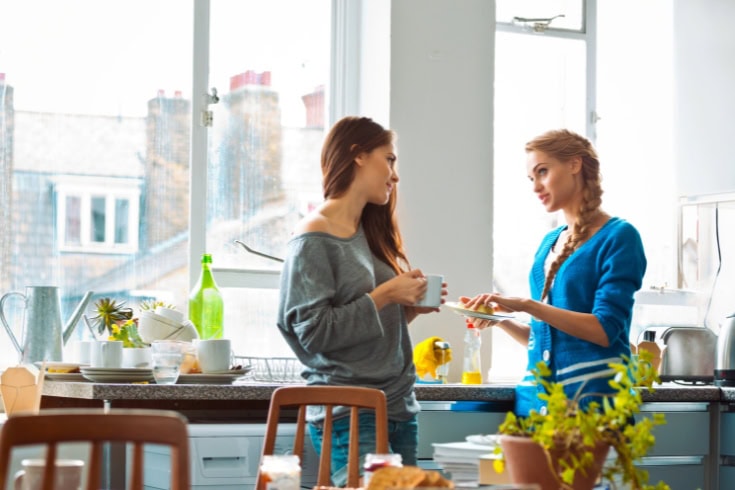
Even the best design can’t overcome poor communication. Set some ground rules early ohared purchases, cleaning schedules, and any planned changes to the décor. Use s early onhared calendars, group chats, or apps to stay in sync.
When everyone is on the same page, creating a comfortable, stylish, and stress-free environment is much easier. Regular check-ins can help prevent small annoyances from turning into bigger conflicts later down the line.
Add Personality Through Shared Interests
One of the most rewarding parts of living with roommates is finding common ground and building a home around that. Maybe you all love movie nights – create a cozy TV nook with a projector and bean bags. If you’re all into cooking, prioritize a well-organized and stylish kitchen space. Got a shared love for music? A record player and some wall-mounted album art might be just the thing.
These shared design features make the apartment feel more like a unified home and can turn everyday living into a fun experience.
Conclusion
Designing a shared apartment takes compromise, communication, and creativity, but the result can be a home that reflects the personalities and needs of everyone who lives there. Start by choosing the right roommates, and then build a space together that’s functional, comfortable, and uniquely yours. With clear boundaries, cohesive design choices, and a little flexibility, you can turn your shared apartment into a place where everyone feels truly at home.