A great room looks calm because the parts that move behave as they should. Doors meet frames cleanly. Drawers glide straight. Lifts raise and lower without a jolt. Behind that ease sits a production flow that treats every cut, coat, and bolt as repeatable work. Keep the lens on what a homeowner feels – quiet motion, tight seams, and finishes that age well. Automated cells help here because a robot, jig, or sensor repeats the same pass at the same speed, hour after hour. For design lovers, the pay-off is simple – less wobble and fewer surprises a year after install. For makers, the pay-off is fewer defects and a line that can scale peak orders without dropping quality.
What “Automated” Really Means in Furniture & Home Goods
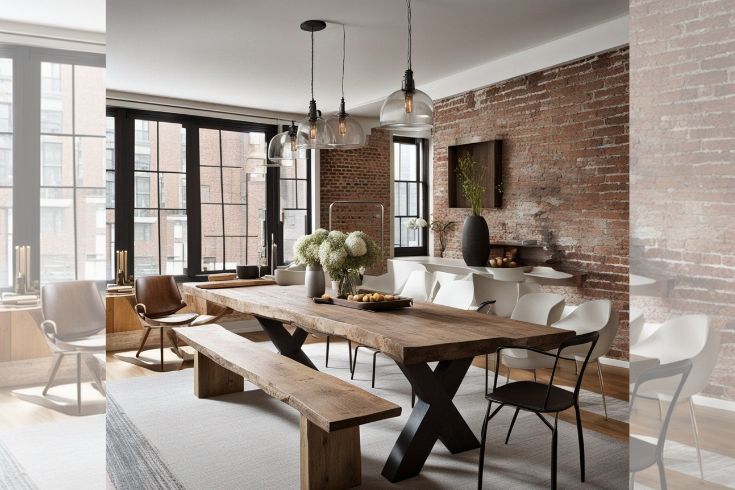
Think in scenes you can touch at home. A CNC router follows a curve so panels meet at clean angles. A robot arm sands and keeps pressure even on edges that humans rush at the end of a shift. A spray booth sets flow, air, and time so pigment lands evenly on profiles and stays that way across lots. A torque tool closes fasteners to the same spec, which is why a shelf does not sag on one side after a move. This isn’t cold or distant – it is how a sideboard door lands in the same place in June as it did in January. It is also why noise is lower when a lift moves, because rails line up and bearings seat right the first time. Global adoption backs this direction: average factory robot density reached 162 units per 10,000 employees in 2023, up from 74 seven years prior, with Korea and Singapore leading and the US now in the top ten.
When a design team shortlists suppliers, they look for automated manufacturing capacity that maps to interior needs – precision cutting for long runs of shelving, calibrated coating for stain match, and motion parts made in clean fixtures. The goal is feel: doors that close with a soft landing; lifts that start and stop without a kick; drawers that stay square after a year of hard use. In practice this means cell layouts that remove human guesswork from steps that hate guesswork. It also means process notes, cycle logs, and test stations that catch drift before it reaches your living room. Good automation does not replace design – it protects it, so the shape you approved comes home with the same lines, shade, and motion you saw on mood boards.
Motion hardware deserves a special call-out, because it shapes how a room sounds. Makers that live in this space, such as Progressive Automations, publish low-noise targets and ingress ratings on linear actuators used in lifts and hidden panels; models in this class often advertise <45 dBA operation and IP66 protection. A whisper-level run matters when a TV rises behind a panel while people are talking, or when a bar cabinet opens after midnight. The quiet work is done upstream: matched gears, tight tolerances, and mounts that damp vibration, so the body does not hum against wood. This is where automation helps again – consistent machining and assembly keep rails true and reduce the rattle that shows up when parts are hand-fit under rush.
Design Wins You Can See (and Hear)
Look for details that age well. Soft-close hinges from top brands are fatigue-tested to around 200,000 open/close cycles, so doors keep their pace and alignment long after trendy finishes rotate out. That cycle depth matters in kitchens and family rooms where doors see dozens of touches a day. Drawers feel better when slides share the load across both sides; lifts feel better when start and stop curves ease in and out rather than snap. Ask a maker where proof sits – cycle tests, salt-spray hours, or a note on the finish line that controls overspray. A few lines of method calm buyer nerves and keep talk focused on layouts, light, and texture instead of repairs in year one.
Buyer’s Mini-Checklist for Quiet, Durable Motion

A single page of checks can save years of little fixes. Open and close each moving part and listen – a steady tone beats a sharp whine, and any buzz in the body hints at poor damping. Check clearances so panels do not kiss under heat or swell. Ask for the cycle rating on hinges and slides, and read the number as a proxy for how long the room stays calm. For lifts and hidden panels, ask for ingress protection and a noise figure in dBA, then note where the motor mounts – rubber washers and tight brackets stop a lot of rattles before they start. Finally, make sure service paths exist; beauty that needs a wall cut for a five-minute fix ages fast.
- Noise and feel – smooth start/stop, steady tone, no body buzz
- Cycle depth – hinges and slides with long test life and clear specs
- Safety – pinch protection, load limits, and a clean stop on overload
- Side-load stability – drawers and lifts stay true when weight shifts
- Service access – reachable fasteners, spare parts, and clear wiring paths
Bring It Home, Beautifully
The last step is simple – match the motion to the room. If the look leans quiet and minimal, keep mechanics hidden and lines light, then pair hardware that moves without drawing eyes. If the room is bold, let the reveal work for you with a slow rise on a media lift or a panel that opens wide for glass and art. In both cases, document three facts on your spec sheet: the finish process, the motion ratings, and the test numbers. That one page will help a builder order right parts, help a designer defend choices, and help a homeowner enjoy the space a year later with the same ease it had on day one. Automation is not a style – it is a way to keep style intact when life starts using the room.