Ever look outside during a storm and think, “Did I ever get that tree branch trimmed?” You’re not alone. Every year, as storm season barrels in, homeowners scramble to prepare. Flashlights get new batteries. Sandbags reappear. And weather apps become everyone’s favorite hobby. But for all the last-minute hustle, a surprising number of critical tasks fall through the cracks.
In cities like Atlanta, where spring and summer storms don’t just bring rain but full-on drama, the consequences of those forgotten steps can be expensive—and dangerous. As climate patterns shift and extreme weather becomes more frequent across the country, storm prep is no longer optional. It’s a baseline requirement for protecting your home and sanity.
In this blog, we will share what homeowners consistently overlook before storm season hits, and how to fix those gaps with smart, realistic steps that don’t require a construction crew or a crystal ball.
It Starts at the Top
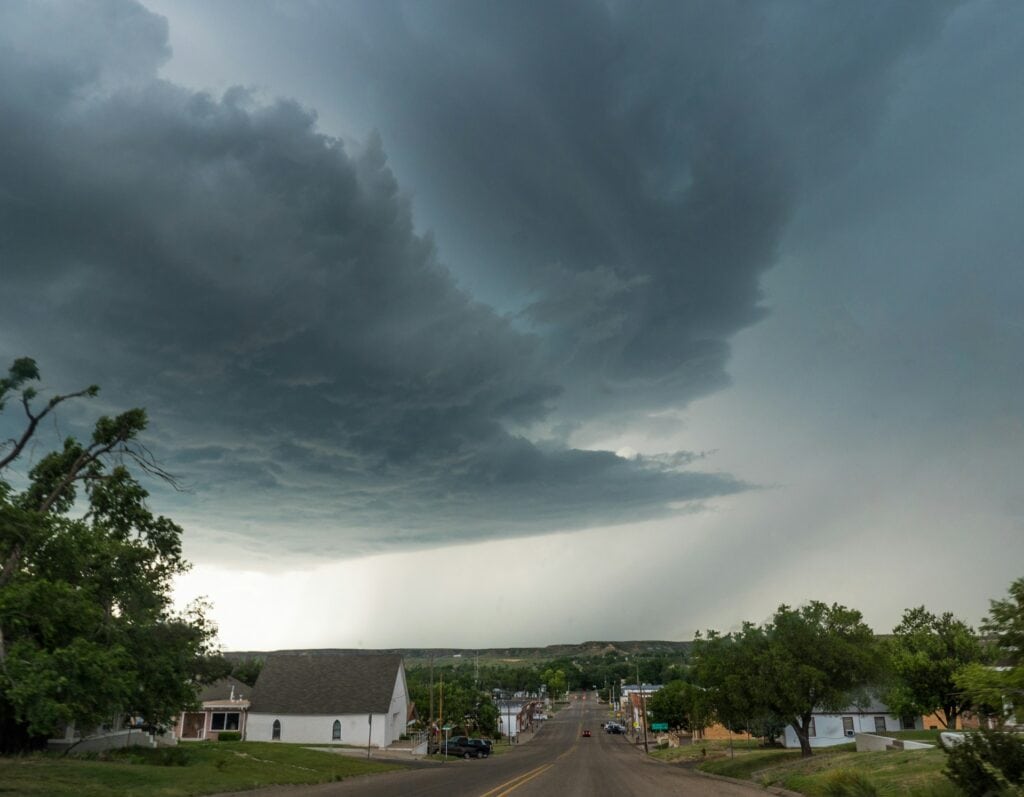
Most homeowners underestimate the roof. Maybe because it’s out of sight, or maybe because no one wants to admit they’ve never climbed up there. But your roof isn’t just shingles and flashing, especially in a place like Atlanta. It’s your home’s first and most important line of defense. And when a storm rolls in with 50-mile-per-hour winds, it doesn’t take much for that line to crack.
That’s why many homeowners call in a reliable Atlanta roofer to inspect their roof well before the storm warnings hit. A missing shingle might seem harmless now, but under heavy rain and high winds, it turns into an open invitation for water damage. And once water gets in, it never stays put politely. It seeps into insulation, stains ceilings, warps drywall, and triggers mold growth before you even notice a problem.
Early inspections prevent late-stage disasters. A good roofer will spot issues you can’t, from loose flashing to sagging gutters. And they’ll recommend fixes based on experience, not just guesswork. It’s about risk reduction, not renovation. The goal isn’t to replace the entire roof, but to reinforce what’s already there so it can withstand what’s to come.
The Forgotten Zones That Cause Real Damage
Everyone remembers to stock up on food and fill the gas tank. But very few think about the basement window that never quite seals or the side gate that always flies open when it’s windy. Those forgotten areas are where the damage starts. Not dramatically, but slowly—and expensively.
Stormwater doesn’t need a red carpet. It just needs one weak point. Is that window well with poor drainage? It becomes a small indoor pond after two days of heavy rain. That neglected gutter downspout? It sends water pooling around your foundation instead of away from it. These aren’t just annoying—they’re structurally significant. Left unchecked, they create mold, rot, and foundation cracks you won’t notice until the repair bill arrives.
Now’s the time to walk around your house like you don’t live there. Look at it with fresh eyes. Is the soil sloped away from your home, or toward it? Are there any puddles lingering near the base after light rain? Are the gutters attached securely or sagging in sections? These are subtle indicators that something needs attention before storm season amplifies it.
Also, consider what could become a projectile. Lawn chairs, wind chimes, kids’ toys—anything not bolted down can become dangerous when thrown by a strong gust. Taking the time to secure or store loose items can prevent broken windows and insurance claims that start with “I didn’t think it would fly that far.”
Trees, Shrubs, and the Power of One Branch
Nature is beautiful until it falls on your roof.
One of the most underestimated threats during storm season is the tree limb that’s been “leaning a little” for years. It might look stable, but in 40-mph winds, it could snap and land on your roof, car, or worse—your neighbor’s property. And guess who’s responsible then?
It doesn’t matter if the tree has been there longer than your house. If it’s on your property and it causes damage, the liability is yours. Hiring a certified arborist to inspect large trees and trim back limbs that extend over your roof isn’t just smart—it’s often what your insurance quietly expects you to do. The cost of trimming a tree is nothing compared to the cost of a fallen one.
And it’s not just about damage. Downed trees take out power lines, block driveways, and can cut you off from help if emergency crews can’t reach your street. That’s a hard reality to face during the kind of storms we’re seeing more of these days.
Drainage: The Unseen Hero or Silent Villain
Storm prep isn’t just about what you see. It’s also about how water moves once it hits the ground. Drainage systems often work fine—until they don’t. A clog in a French drain, a cracked section of underground piping, or even compacted soil can all make the difference between a dry yard and an unexpected backyard lake.
If you’ve ever had standing water in your yard after a storm, don’t ignore it. That’s your home telling you something is off. Pooling water near the foundation creates long-term erosion problems. Water that doesn’t drain properly from your yard often finds its way into crawlspaces and basements.
Power Failures Are Not a Surprise—They’re a Given
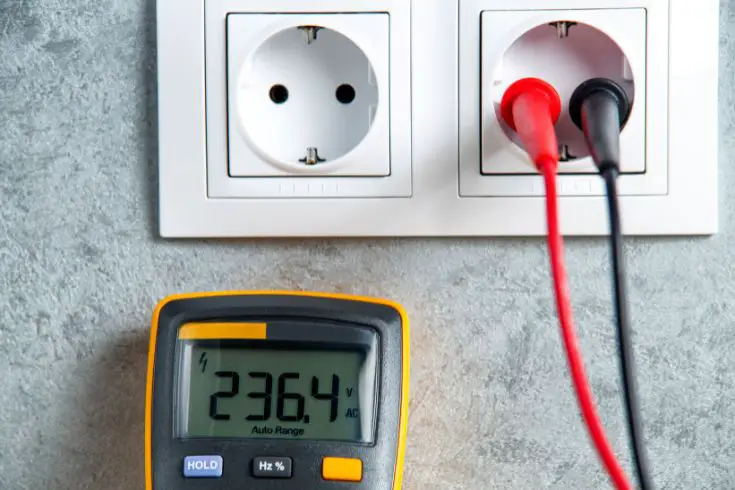
When the grid goes down, the complaints roll in. But outages during storms aren’t an “if”—they’re a “when.” If your home isn’t ready for that, you’re not really prepared. Having flashlights is good. Having a backup power source is better.
Portable battery banks, solar-powered chargers, and even basic gas-powered generators can keep you going through a 24-hour outage. For those who work from home or care for vulnerable family members, a more permanent backup system may be worth the investment. A home standby generator with automatic start can prevent food spoilage, lost productivity, and hazardous temperature fluctuations.
And let’s not forget surge protectors. One lightning strike near a transformer can fry your electronics if they’re plugged directly into the wall. Protect your devices the same way you protect your home—before the damage happens.
Storm Prep Isn’t a Checklist. It’s a Mindset
Getting ready for storm season isn’t about completing a weekend to-do list. It’s about changing how you think about your home and what it needs to stay safe when the weather turns aggressive. That mindset begins with routine inspections, honest evaluations, and a willingness to act before visible damage occurs.
Don’t wait for the first warning siren or Doppler radar alert to take action. Storm prep works best when it’s boring—when nothing dramatic happens because everything holds up exactly the way it should. And if that’s the case, you won’t just feel lucky. You’ll know you were ready.
No one can control the weather. But you can control how well your home handles it.
Let the storms do their thing. Your job is to ensure they don’t receive an invitation inside.
Wrap-up
The single most forgotten area by homeowners preparing for storm season is the roof and exterior perimeter, including gutters, foundation drainage, and overhanging tree limbs. We covered the critical steps to protect your home, including routine roof inspections, securing loose yard items, and improving water drainage away from the foundation.
Don’t wait for the next storm alert to find out if your home is secure. Prioritize an Atlanta roofer inspection and tree trimming service this week to shore up your first line of defense. Get proactive and ensure your home is truly storm-ready!