The traditional boundary between clinical care and residential comfort is officially dissolving. We are witnessing one of the most significant transformations in modern history: the evolution of the “in-home patient” experience. As healthcare delivery pivots away from sterile, fluorescent-lit institutions, the focus is shifting toward the home as the ultimate site of recovery.
For those of us obsessed with intentional living and curated environments, this shift is fascinating. It is no longer just about adding a blood pressure cuff to a drawer; it is about utilizing technology and smart design to transform a personal sanctuary into a high-functioning, “in-house hospital” that still feels like home.
The Invisible Clinic: Technology as a Design Element
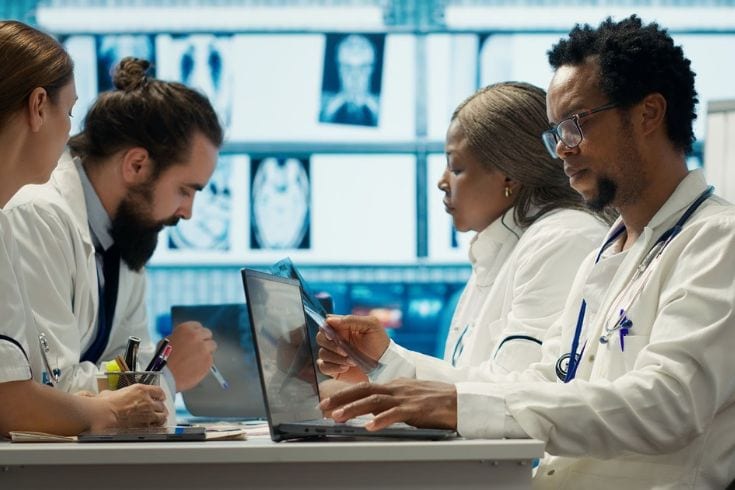
Innovation is allowing medical tools to become nearly invisible within the home. Telehealth and remote monitoring have turned the home office or a quiet bedroom corner into a portal for world-class care, allowing for a proactive approach to wellness that prioritizes the individual’s environment.
- Integrated Monitoring: Sophisticated wearables and connected health apps allow clinicians to track vitals in real time without the need for bulky, intrusive machinery.
- AI-Assisted Diagnostics: Artificial intelligence and predictive analytics now provide deeper insights into patient data from afar, helping to identify risks before they become emergencies.
This technology does not replace the human touch; rather, it enhances it by providing a seamless, data-driven layer of safety that stays tucked away behind the scenes of your daily life.
Designing the “In-House Hospital” Experience
The physical redesign of care environments is where innovation meets interior inspiration. When a house must accommodate a patient, the goal is to create a space that reduces stress and improves recovery times through thoughtful design choices.
- Circadian Lighting and Sound: Modern care environments now recognize that lighting and acoustics play a meaningful role in outcomes. In the home, this means integrating smart lighting that mimics natural cycles and using textiles to create a quieter, restorative atmosphere.
- Flexible Layouts: Redesigning a room for care involves prioritizing movement and efficiency. Modern healthcare design emphasizes patient comfort and safety through layouts that can easily adapt to different needs without losing their aesthetic appeal.
- The Digital Bedside: Integrating digital tools at the bedside allows for better communication between care teams and patients, ensuring that even at home, you are never truly isolated from your support system.
Leadership in the Era of Home-Based Care
As healthcare delivery moves into the residential sphere, the role of the nurse is expanding. They are becoming the essential bridge between high-tech innovation and the high-touch reality of patient care within the home. Nurses are no longer just bedside providers; they are now leaders in informatics, policy development, and quality improvement.
For the nursing professional looking to drive this transformation, advanced education is the key. Pursuing a PhD in nursing online offers the leadership skills and research expertise needed to influence healthcare at a strategic level. These programs make advanced education accessible, allowing nurses to continue working while developing the skills needed to lead innovation in clinical practice and healthcare policy.
A Connected, Patient-Centered Future
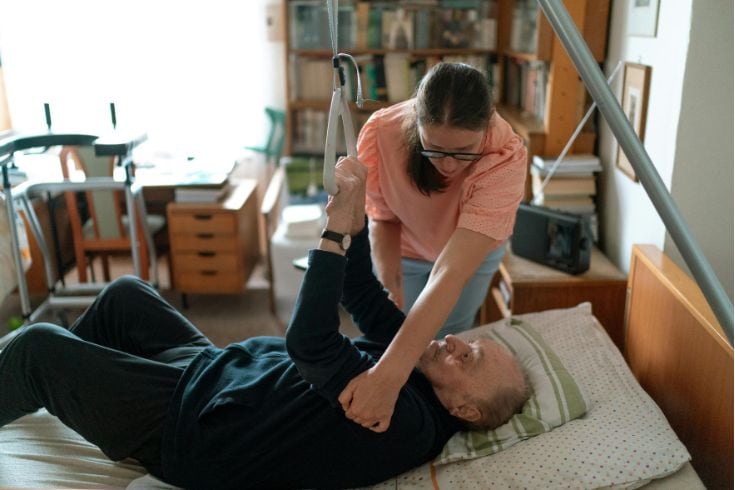
The future of healthcare delivery is increasingly connected, data-driven, and deeply personalized. It is a system where the “in-home patient” can expect more convenient, transparent, and coordinated care. By streamlining administrative burdens and moving toward interoperable systems, the industry is freeing up clinicians to focus on the human experience rather than the paperwork.
Innovation is no longer a distant concept. It is actively reshaping our homes and our lives today, laying the foundation for a more resilient and patient-focused system. Whether it is through a thoughtfully designed recovery suite or a tech-savvy nurse leader, the future of care is closer than ever.
Conclusion: Leading the Future of Care
By integrating AI-driven diagnostics, streamlining workflows, and redesigning the environments where we live and heal, we are moving toward a model that prioritizes both provider efficiency and patient outcomes.
Ready to drive the next wave of healthcare transformation? Elevate your impact and help shape the future of clinical practice by exploring an online PhD in nursing today.