Back-of-house areas often decide how smoothly a commercial property functions. The work happening behind the scenes shapes everything customers never see, from how quickly items move through the building to how easily staff transition between tasks.
A space designed with intention becomes a quiet support system that keeps operations steady through busy hours, unexpected rushes, and everyday routines. The layout, organization, and flow of these areas influence how confidently teams move and how consistently the business keeps pace.
Modern commercial spaces benefit from treating back-of-house design as a core part of operational planning rather than an afterthought. Choices in access, structure, and placement create a workplace that supports clear movement, organized storage, safe handling of materials, and predictable workflows.
The sections below highlight the elements that help these spaces stay efficient and reliable.
Access Point
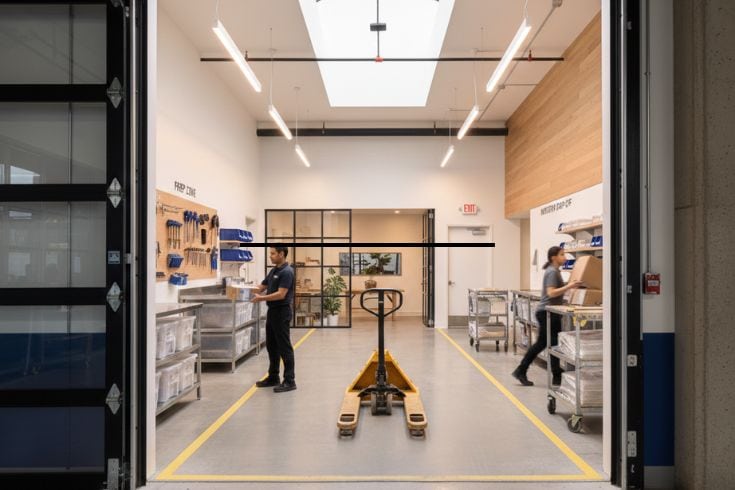
Designing a reliable access point for deliveries and equipment brings order to the busiest moments of the day. A dependable entry zone allows staff to receive materials, move large items with ease, and manage busy delivery periods without disruption.
Clear boundaries, dedicated space for maneuvering, and thoughtful placement give the area a sense of purpose. A strong access point keeps the back-of-house, like garages, operational even during high-traffic moments and sets the pace for the rest of the workflow.
Many businesses get commercial roller garage doors installed to support this kind of access, as it is one of those smart renovations that balances high-use durability with long-term property value. The structure opens smoothly, creates ample vertical clearance, and provides a sturdy entry built for constant use.
Clear Paths
Keeping traffic paths open and hazard-free ensures steady movement in areas where staff rely on speed and coordination. Pathways that stay unobstructed reduce confusion during busy hours and prevent unnecessary stops throughout the day.
The natural flow of people, carts, or equipment becomes easier to maintain when the environment supports clean movement. Regular checks and simple organization help maintain this clarity and keep operations dependable.
Open paths also build a sense of rhythm in the workspace. Staff know where to step, where to turn, and how to navigate high-use zones without slowing down.
Prep Zones
Setting up designated prep zones creates structure in the most active areas of the workspace. A well-defined zone helps staff move through tasks without confusion, offering a sense of control and purpose.

Supplies, surfaces, and tools stay within reach, and the routine becomes smoother with each step. Much like the layout strategies found in efficient study room ideas, defined areas for prep work make the workflow feel grounded and reduce the chance of overlap between tasks.
Dedicated prep spaces also help the team maintain focus. Each zone supports a specific part of the process, and that separation reduces unnecessary movement.
Labeled Shelving
Using labeled shelving for quick retrieval supports the flow of materials and reduces delays. Clear labels help staff locate items immediately without searching through bins or guessing where things belong.
The shelving becomes a map of the back-of-house, guiding movement and saving time with every task. A structured approach to storage turns the space into a predictable, easy-to-navigate environment.
The more often these labels are used, the more natural the system becomes. Staff begin to rely on the consistency, and the entire team benefits from a smooth storage pattern that stays dependable throughout the day.
Inventory Drop-Off
Establishing a clear drop-off area for incoming inventory keeps deliveries from spilling into irrelevant spaces. A designated zone helps staff sort items right away and direct them to the correct shelves, prep stations, or equipment areas without delay.
This kind of organization grounds the entire stocking routine and prevents clutter from spilling into work paths.
A clear drop-off spot also reduces confusion during busy restocks. Items arrive in a predictable place, and the system supports straightforward processing.
Clean Loading Area
Maintaining uncluttered loading spaces supports every stage of the back-of-house workflow. A clean loading area gives staff room to move incoming items, organize outgoing materials, and handle equipment without interference. The space sets the tone for efficiency because it becomes the first point of contact for anything entering or leaving the building.

A clear loading zone also communicates consistency to delivery teams and internal staff. The openness encourages smoother movement, steady positioning of vehicles or carts, and quicker transitions between tasks. The whole environment feels more structured, and the workflow gains a dependable starting point.
Smooth Equipment Flow
Arranging equipment so movement stays uninterrupted builds a sense of order in areas where many tasks overlap. Large and small tools benefit from strategic placement that keeps walkways open and prevents unplanned stoppages.
The smoother the equipment flow, the easier it becomes for staff to complete tasks without backtracking or navigating around bulky items. Each piece has a place that supports the broader layout of the workspace.
Steady movement of equipment also helps maintain the pace of operations. Staff can shift from one task to another with fewer adjustments, and the environment supports clear transitions throughout the day.
Separate Break Space
Creating break areas that sit outside work paths gives staff a calm pocket of space to rest without interfering with active zones. A dedicated break area encourages employees to step away from high-activity sections and recharge before returning to their tasks.
The separation brings a sense of balance to the workspace and keeps heavy workflow zones from becoming overcrowded.
Plus, a well-placed break area helps maintain order. Staff know exactly where to step out for a moment, and the rest of the back-of-house continues operating without interruption.
Tool Grouping
Grouping frequently used tools within easy reach supports smooth work cycles and reduces unnecessary movement. A clear system for tool placement prevents delays and keeps staff focused on the task at hand. By placing tools in logical clusters, the workspace gains a consistent structure that becomes second nature for those who use it daily.
The more intuitive the tool organization becomes, the faster the workflow moves. Staff settle into a pace that helps tasks unfold in an orderly pattern.
Open Exits
Keeping emergency exits clear and easy to reach supports both safety and workflow efficiency. Clear exits allow staff to move confidently through the space and maintain awareness of safe pathways. A well-kept exit route ensures that back-of-house areas remain compliant and functional at all times.

An open exit pathway also influences how the rest of the area is organized. Staff adjust storage, equipment placement, and movement patterns to maintain a clean and unobstructed route.
Back-of-house places support commercial workflow. The choices made in access, organization, movement, and structure quietly determine how smoothly the business operates each day.
Thoughtful layouts, clear pathways, organized storage, and dependable support zones help staff move through tasks with ease and confidence. A well-planned back-of-house becomes a true engine for efficiency and a lasting asset for any commercial property.
Conclusion
Creating efficient back-of-house areas is essential for maintaining seamless commercial operations. By prioritizing thoughtful design—from installing reliable commercial roller garage doors at clear access points to establishing labeled shelving, defined prep zones, and open pathways—businesses ensure steady, predictable workflows. These organizational choices minimize bottlenecks, enhance staff movement, and boost productivity behind the scenes.
Ready to transform your operation? Review your access points and internal flow today to build a silent engine of efficiency that keeps your business running smoothly, no matter the volume.