Smart technology is reshaping how homeowners and property managers think about outdoor spaces, turning traditional lawns into efficient, data-driven environments. What was once a manual, time-consuming process is now guided by sensors, automation, and intelligent planning that improves both appearance and sustainability. As demand for convenience and consistency grows, tools such as turf outdoor service solutions are part of a broader shift toward smarter lawn management.
The Rise of Data-Driven Lawn Care
Smart landscaping begins with data collected through soil sensors, weather-tracking tools, and moisture monitors placed throughout the lawn. These systems provide real-time insight into soil health, hydration levels, and temperature changes, allowing care decisions to be based on actual conditions rather than guesswork. The result is a healthier turf that receives exactly what it needs, when it needs it.
By using data to guide watering and maintenance schedules, homeowners can avoid overwatering and unnecessary treatments. Utilizing specialized turft outdoor service solutions ensures that this data is translated into actionable maintenance, which not only protects the lawn but also supports responsible water use and long-term soil stability. Over time, data-driven care creates more resilient lawns that adapt better to changing weather patterns.
Automated Irrigation and Smart Water Management
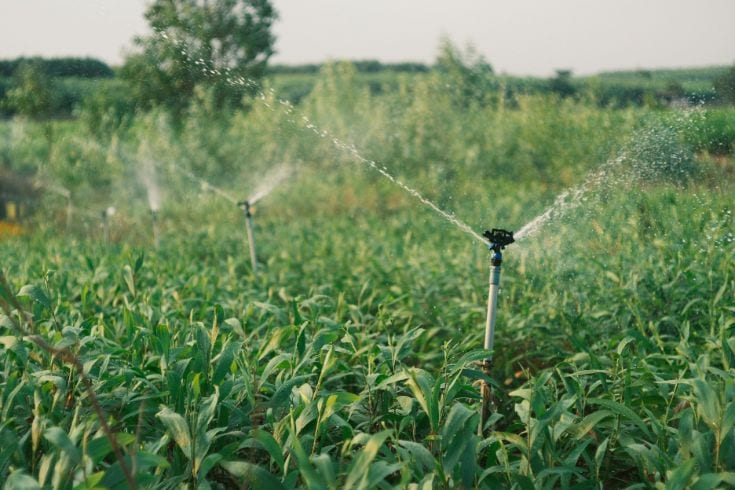
One of the most visible advancements in smart landscaping is automated irrigation technology. Smart irrigation systems adjust watering schedules based on rainfall, evaporation rates, and seasonal changes, ensuring lawns are never over- or under-watered. These systems operate quietly in the background while delivering noticeable improvements in lawn quality.
Beyond convenience, automated irrigation plays a key role in sustainability. Reducing water waste lowers utility costs and helps preserve local water resources without sacrificing visual appeal. Smart systems also minimize runoff and soil erosion, which are common problems with traditional irrigation methods.
Intelligent Turf Selection and Planning Tools
Technology is also influencing how turf is selected and installed, long before maintenance begins. Digital planning tools allow homeowners and professionals to evaluate sun exposure, foot traffic, and drainage conditions to choose the most suitable turf option. This upfront precision helps prevent common issues such as thinning, discoloration, or uneven growth.
By matching turf solutions to real environmental conditions, long-term maintenance becomes simpler and more predictable. Intelligent planning reduces the need for corrective treatments later and extends the lawn’s lifespan. This proactive approach is especially valuable for properties seeking low-maintenance, high-performance outdoor spaces.
Smart Maintenance and Predictive Care
Smart landscaping extends beyond installation to ongoing maintenance enabled by predictive technology. Advanced platforms can identify early signs of stress, disease, or nutrient imbalance before they become visible. Early detection enables targeted interventions that protect the lawn without excessive chemical use or labor.
Predictive care also helps maintain consistent lawn quality year-round. Instead of reacting to problems after damage occurs, smart systems help maintain balance and uniformity over time. This leads to lawns that look better for longer while requiring fewer disruptive maintenance cycles.
Technology and the Future of Outdoor Living
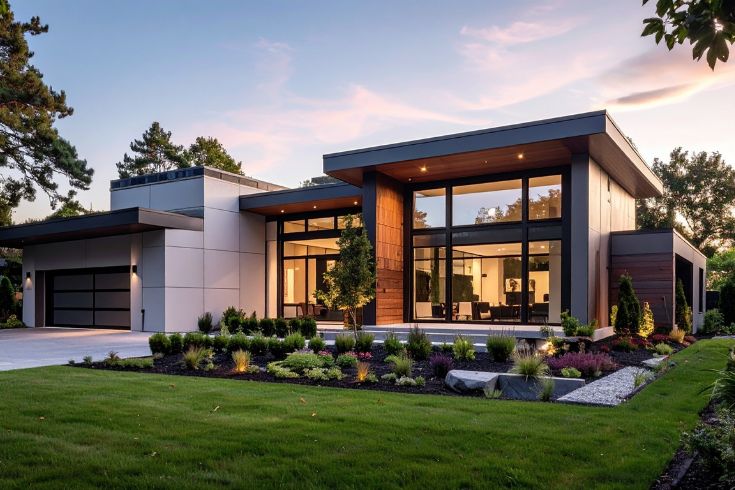
As outdoor spaces continue to evolve into extensions of the home, smart landscaping technology will play an even greater role. Lawns are increasingly integrated into broader smart home ecosystems, enabling centralized control and monitoring alongside lighting and security systems. This integration reflects a growing expectation that outdoor areas be as efficient and responsive as indoor environments.
Looking ahead, advancements in artificial intelligence and automation will further refine lawn care practices. Smart landscaping is not about replacing traditional expertise; it enhances it with tools that deliver precision, efficiency, and sustainability. The modern lawn is no longer just maintained; it is intelligently managed.
Conclusion
Smart landscaping technology is transforming modern lawns by replacing guesswork with precision and manual effort with automation. From data-driven care and intelligent irrigation to predictive maintenance and thoughtful turf planning, technology is redefining what it means to have a healthy lawn.
As these innovations continue to develop, smart landscaping will remain central to creating outdoor spaces that are efficient, resilient, and visually appealing.